Zaatar Cheese Flatbread Recipe
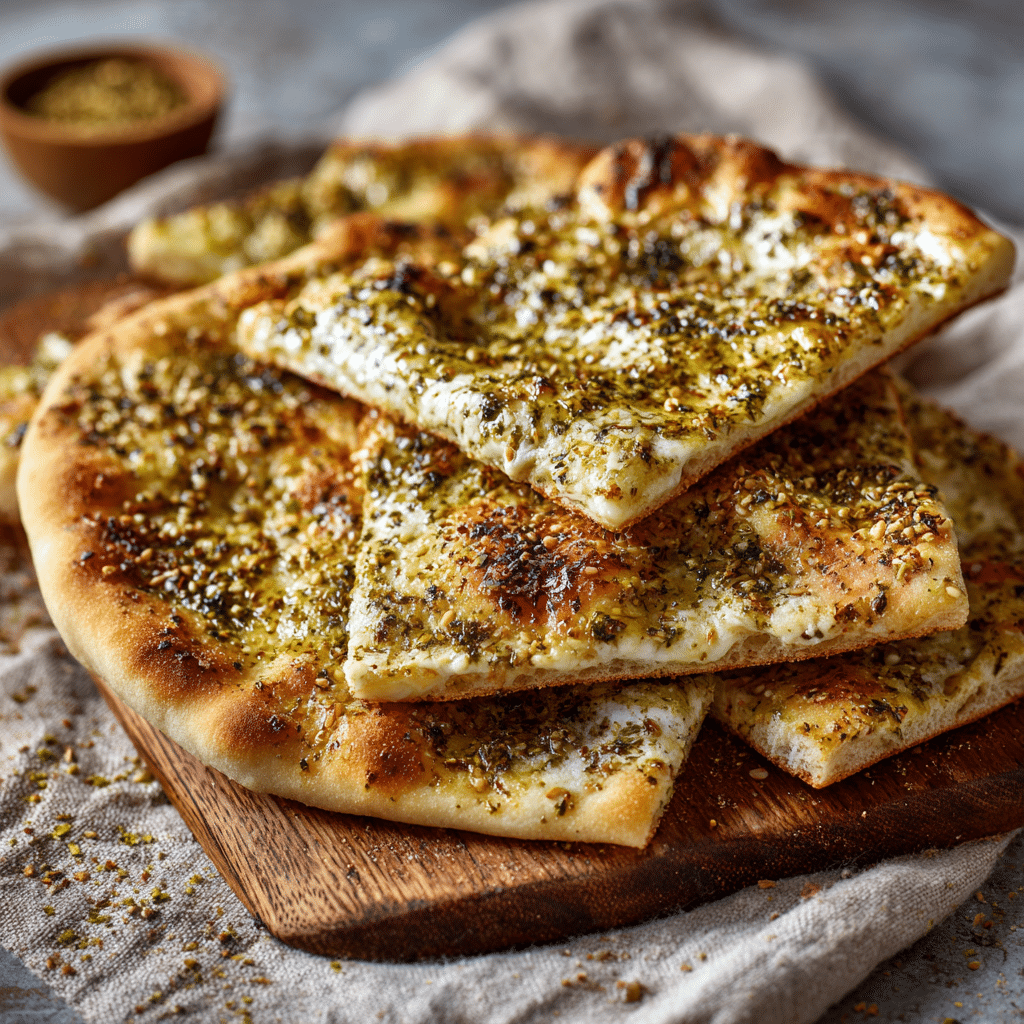
If you’ve ever wanted to dive into the delightful world of Middle Eastern flavors with something quick, easy, and utterly scrumptious, then the Zaatar Cheese Flatbread is your new best friend. This soft, pillowy flatbread layered with aromatic zaatar and creamy akkawi cheese is like a warm hug for your taste buds. Perfectly balanced with fragrant herbs, tangy cheese, and a crispy golden bottom, this dish manages to be both satisfying and light. Whether you’re hosting friends, craving a savory snack, or simply wanting to treat yourself, Zaatar Cheese Flatbread brings that authentic flavor right into your kitchen.
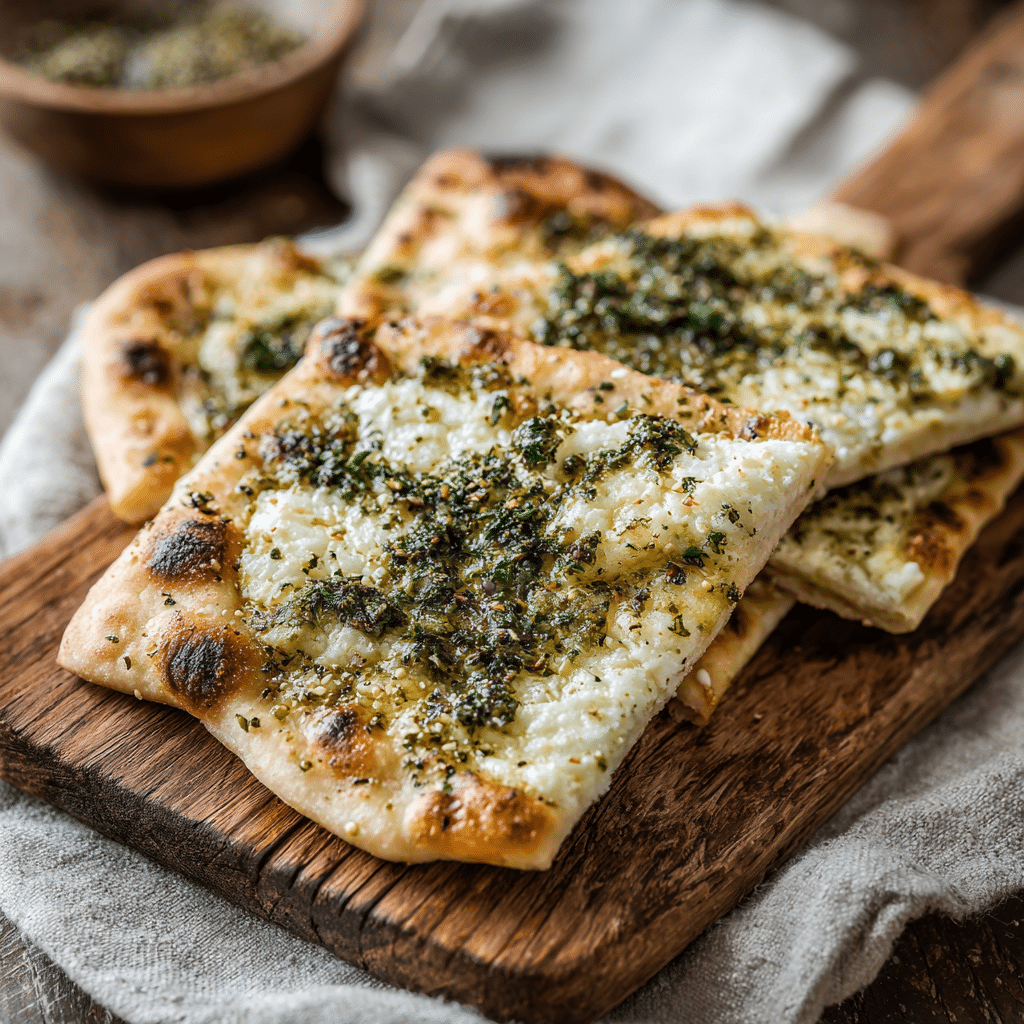
Ingredients You’ll Need
Getting started with Zaatar Cheese Flatbread is wonderfully straightforward because each ingredient plays a pivotal role without complicating the process. The simplicity here ensures that every bite bursts with freshness, texture, and that unmistakable Middle Eastern charm.
- Flour: The base of our soft flatbread, providing the structure for a tender crumb and a chewy bite.
- Yeast: A small pinch activates the dough, giving it that perfect rise and fluffy texture.
- Warm water: Helps to awaken the yeast and bring the dough together smoothly.
- Zaatar: This magical spice blend offers a fragrant mix of thyme, sumac, and sesame seeds, giving the flatbread a herby, tangy kick.
- Akkawi cheese: A mild, salty cheese that melts beautifully, adding creaminess without overpowering the zaatar flavors.
- Olive oil: Adds richness and helps the zaatar adhere to the flatbread, while also creating a wonderfully golden crust.
How to Make Zaatar Cheese Flatbread
Step 1: Prepare the Dough
Start by combining the flour and yeast in a large bowl. Add the warm water gradually while mixing, until a soft but slightly sticky dough forms. Knead it for about 5 to 7 minutes until it’s smooth and elastic. Then, cover your dough with a clean cloth and let it rise in a warm spot for about 60 minutes, or until it has doubled in size. This step is crucial for achieving that light, airy texture everyone loves in a good flatbread.
Step 2: Mix the Zaatar and Olive Oil
While the dough is rising, combine the zaatar spice blend with the olive oil in a small bowl. This mixture should be thick enough to spread easily but still moist, so every bit of flatbread will soak up the vibrant flavors. The olive oil helps bring out the herbal and nutty nuances in the zaatar, making this topping irresistibly fragrant.
Step 3: Shape the Flatbread
Once your dough has risen, gently punch it down and divide it into portions if you prefer smaller flatbreads or keep it whole for a larger loaf. On a floured surface, roll the dough out to your desired thickness, typically about a quarter of an inch thick. A thinner dough will get crispier edges, while a thicker one stays soft inside — either way works beautifully.
Step 4: Add the Toppings
Spread your zaatar and olive oil mixture evenly over the surface of the rolled-out dough. Then scatter the akkawi cheese generously on top. If you can’t find akkawi cheese, a mild mozzarella or a partially salted white cheese works as a fine substitute. The cheese melts during baking, complementing the earthy zaatar with a creamy, salty layer.
Step 5: Bake to Perfection
Preheat your oven to 200°C (about 400°F). Place your prepared flatbread onto a baking sheet or a pizza stone if you have one, then bake it for approximately 15 minutes. Keep an eye on it until the edges turn golden and the cheese fully melts with slight bubbling. That beautiful aroma will soon fill your kitchen!
How to Serve Zaatar Cheese Flatbread
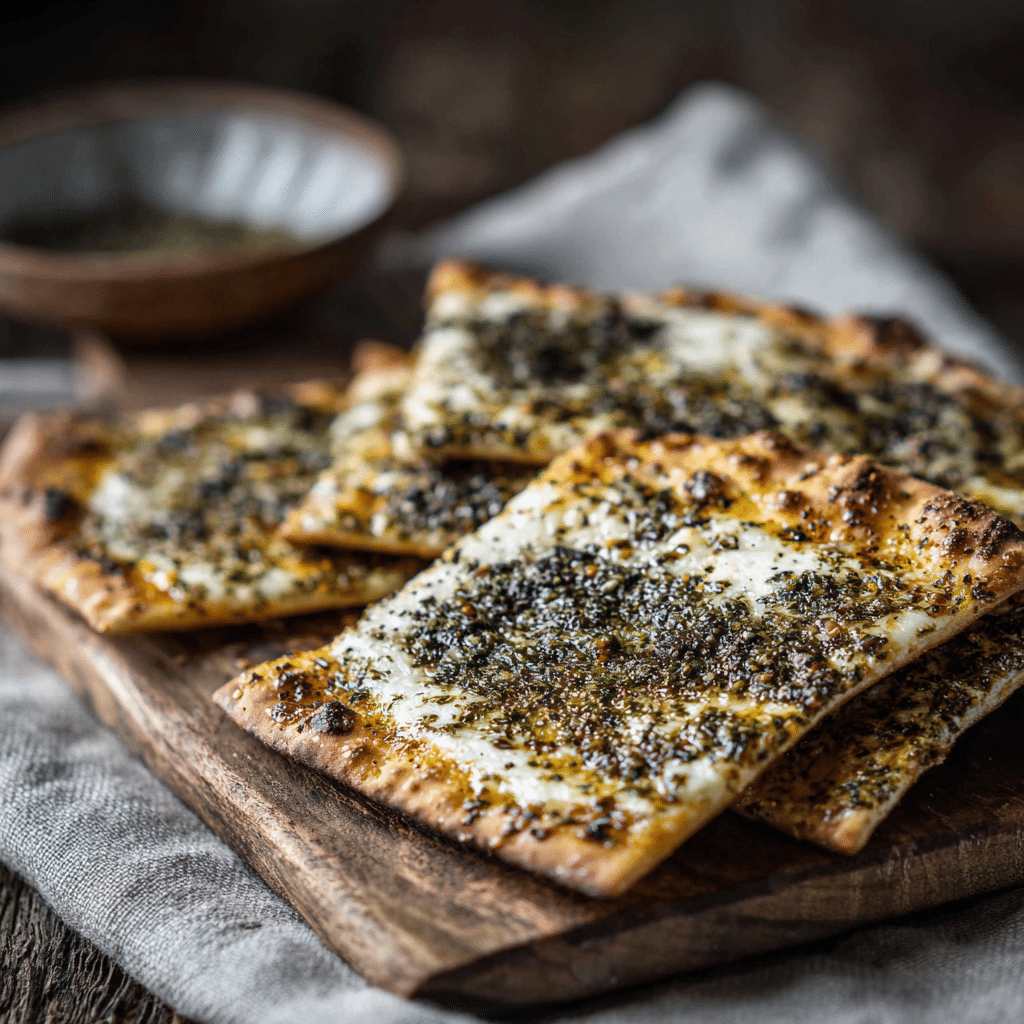
Garnishes
While the Zaatar Cheese Flatbread is delicious on its own, a simple garnish can elevate it even more. Consider sprinkling freshly chopped parsley or a drizzle of extra virgin olive oil right after it comes out of the oven. A sprinkle of sumac adds a tangy brightness that pairs wonderfully with the zaatar’s earthy notes. These little touches not only add color but also layer in fresh, vibrant flavors.
Side Dishes
This flatbread is incredibly versatile. Serve it alongside a fresh cucumber and tomato salad dressed in lemon juice for a refreshing contrast. You can also pair it with hummus, baba ganoush, or a tangy yogurt dip. For heartier meals, this flatbread complements grilled meats or roasted vegetables beautifully. It’s great as a snack, appetizer, or part of a mezze platter to share.
Creative Ways to Present
If you want to impress guests, slice the Zaatar Cheese Flatbread into finger-sized sticks to serve as a dipper for hummus or labneh. Alternatively, arrange a colorful platter combining flatbread slices with olives, pickles, and fresh herbs, turning a simple dish into a feast. You can even roll leftovers like a wrap filled with fresh salad greens and spiced labneh for a light lunch on the go.
Make Ahead and Storage
Storing Leftovers
After enjoying this flatbread fresh from the oven, you’ll want to keep any leftovers airtight in a container at room temperature for up to 2 days. Keeping it sealed prevents the crust from drying out while maintaining the soft chewiness that makes this bread so delightful.
Freezing
Zaatar Cheese Flatbread freezes amazingly well. Wrap individual slices tightly in plastic wrap and store in a resealable freezer bag. Use within 1 month for the best taste. This makes it easy to enjoy a quick snack by simply thawing and reheating when you need something flavorful and fast.
Reheating
To bring leftover Zaatar Cheese Flatbread back to life, reheat in a preheated oven at 180°C (350°F) for about 5 to 7 minutes until warm and slightly crisp again. Avoid the microwave if possible, as it can make the bread soggy. A stovetop skillet heated over medium heat also works beautifully to restore a lovely crust and warm, melty cheese.
FAQs
Can I use other cheeses instead of Akkawi for the Zaatar Cheese Flatbread?
Absolutely! While akkawi cheese is traditional, mozzarella, feta, or a mild white cheese will work nicely. Just choose one that melts well and balances the salty, herbal flavors of the zaatar.
Is the dough recipe suitable for gluten-free diets?
This particular dough is made with regular wheat flour and yeast, so it’s not gluten-free. However, you could experiment with gluten-free flour blends designed for yeast breads, but keep in mind the texture may vary.
Can I make the dough in advance?
Yes! You can prepare the dough and refrigerate it overnight. Just bring it back to room temperature and allow it to rise fully before rolling out and topping with zaatar and cheese. This actually enhances the dough’s flavor.
What is the best way to get crispy edges on my flatbread?
Roll the dough thinner and bake it on a preheated baking stone or heavy baking sheet. The olive oil in the topping also helps create that beautiful golden crust while keeping the center soft.
Can I add other toppings to the Zaatar Cheese Flatbread?
Of course! Sliced olives, roasted vegetables, or a sprinkle of chili flakes can add great flavor. Just keep toppings light so the bread still cooks evenly and stays soft in the middle.
Final Thoughts
If you’ve been craving a snack that’s bursting with flavor yet surprisingly simple to whip up, the Zaatar Cheese Flatbread is an absolute winner. Its blend of soft dough, herby zaatar, and melty cheese offers a comforting and exotic bite every time. Try making this at home and watch it become one of your favorite go-to recipes—perfect for sharing, snacking, or even impressing your friends with something delightfully different.