Taro Coconut Mirror Cake Recipe
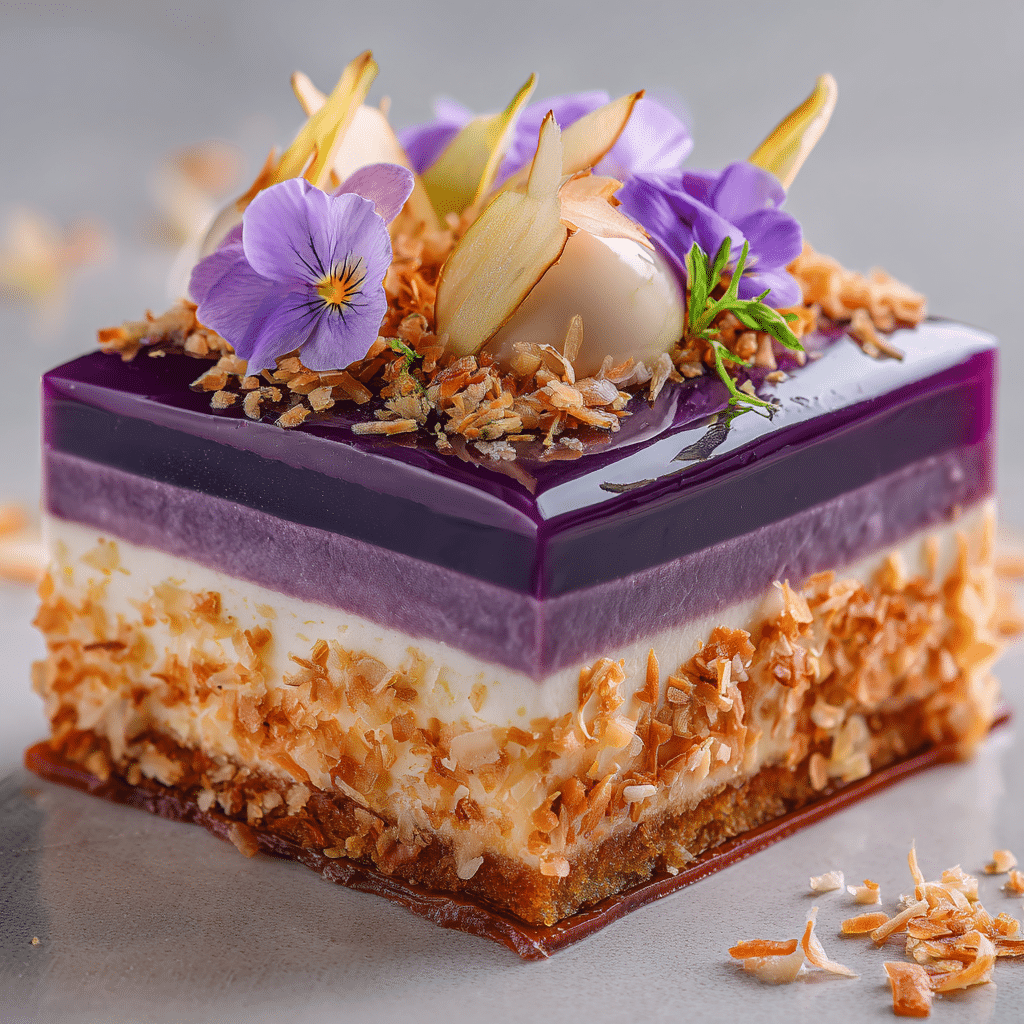
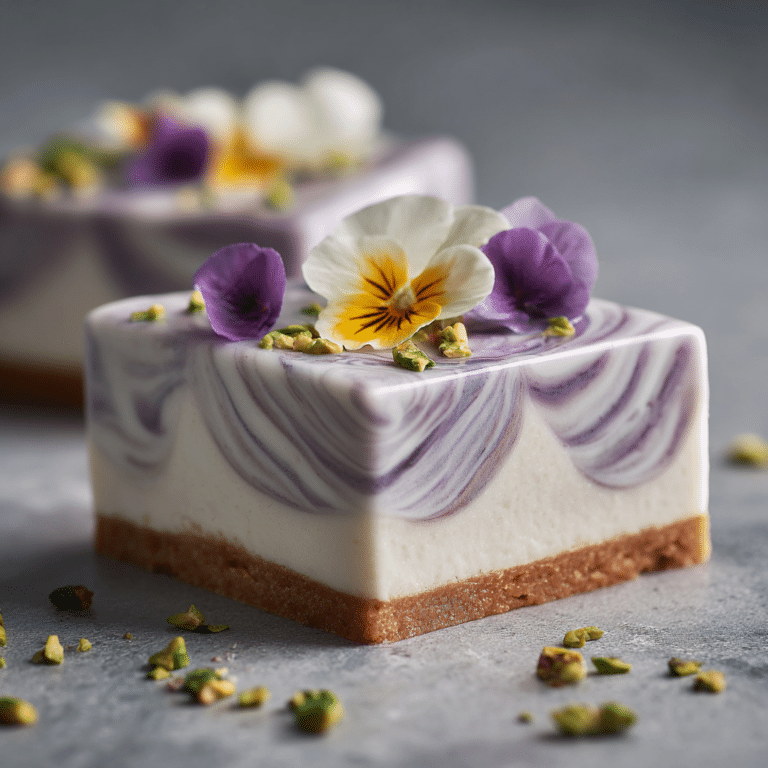
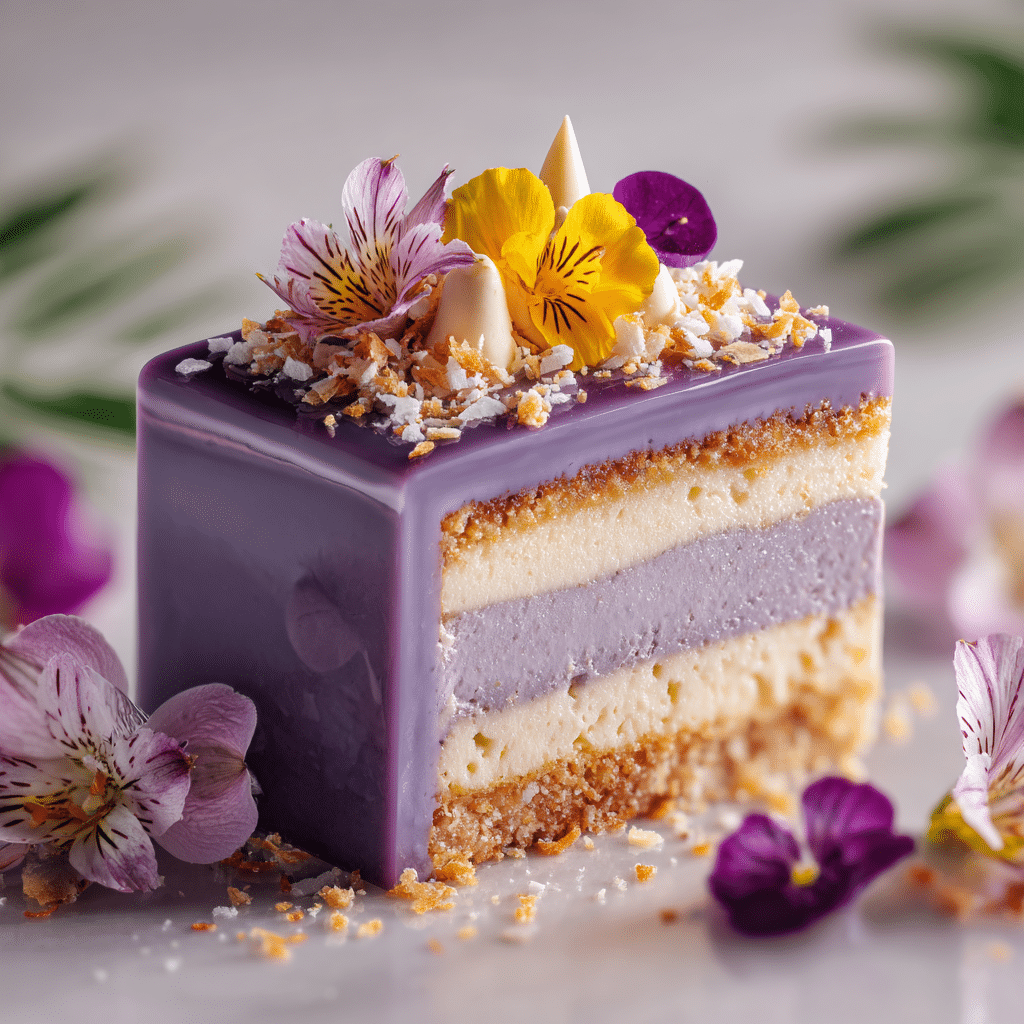
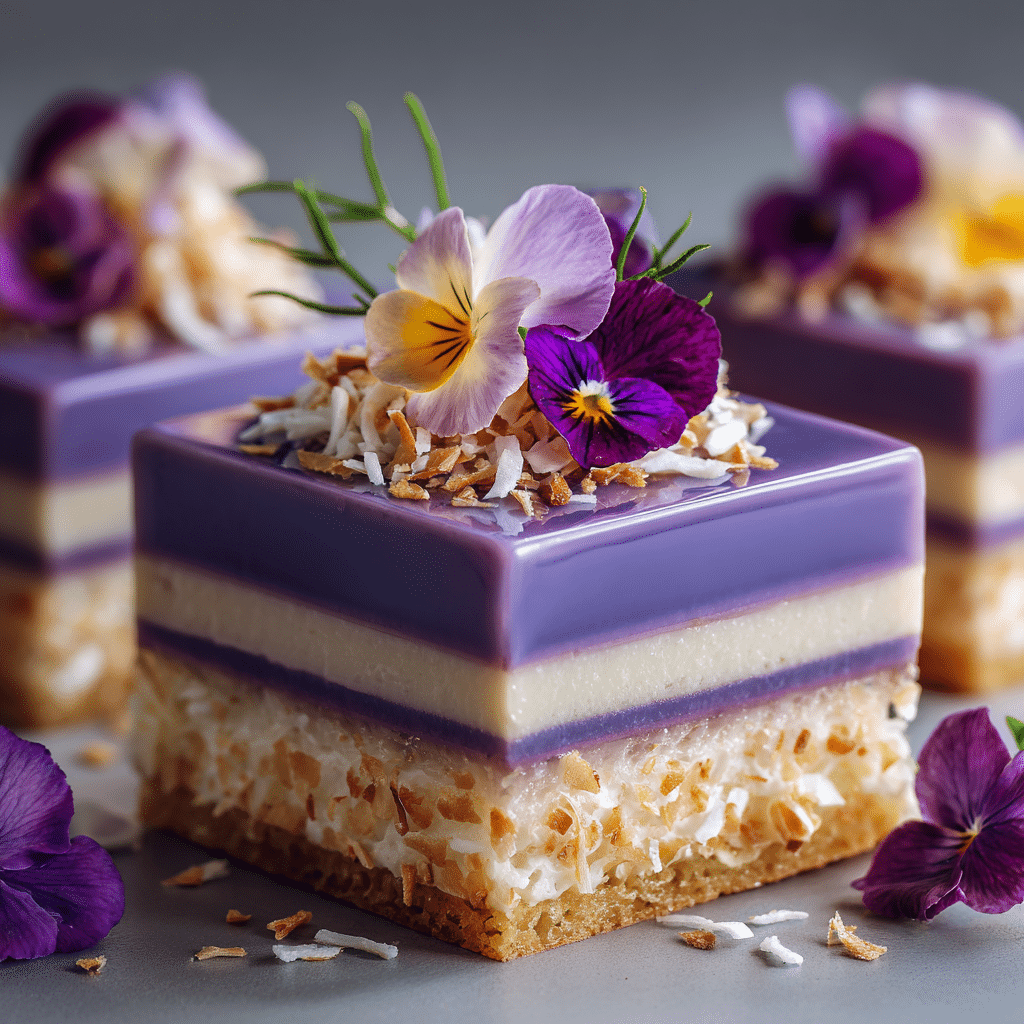
If you’re searching for a show-stopping dessert that’s as beautiful as it is delicious, the Taro Coconut Mirror Cake will immediately capture your heart. This elegant creation boasts layers of fluffy vanilla sponge, velvety taro mousse, and luscious coconut custard, all embraced by a stunning lavender tinted glaze topped with delicate lilac swirls. Beyond its captivating pastel purple hue, this cake dances on the palate with a perfect harmony of nutty taro and creamy tropical coconut flavors, making it an unforgettable centerpiece for any special occasion or a chic celebration. Prepare to fall in love with every glossy, silky bite of the Taro Coconut Mirror Cake that brings art and flavor into graceful union.
Ingredients You’ll Need
The magic of the Taro Coconut Mirror Cake lies in its surprisingly simple ingredients. Each component is carefully chosen to build layers of flavor and texture, from the airy vanilla sponge to the sumptuous, creamy coconut custard. Let’s take a look at the essentials that make this cake truly spectacular.
- Vanilla Sponge Flour: Provides a light, fluffy base with a subtle vanilla aroma that balances the richer layers.
- Fresh Taro Root or Taro Paste: The star ingredient, offering a natural pastel purple color and an earthy, nutty sweetness.
- Coconut Milk: Adds luscious creaminess and tropical depth, enhancing the custard’s silky texture.
- Eggs: Crucial for providing structure and richness to the sponge and custard layers.
- Sugar: Sweetens each layer without overwhelming, maintaining a delicate harmony of flavors.
- Gelatin Sheets: Ensures the mousse and mirror glaze set perfectly, delivering that signature smooth finish.
- White Chocolate: Used both in the custard for velvety richness and as decorative shards for an elegant touch.
- Toasted Coconut Flakes: Adds a crunchy texture contrast and beautifully reinforces the coconut notes.
- Edible Orchids: For that whimsical, romantic garnish that makes this cake visually breathtaking.
How to Make Taro Coconut Mirror Cake
Step 1: Prepare the Vanilla Sponge Base
Start by whisking together eggs and sugar until light and fluffy—this is the secret to achieving a tender, airy sponge. Gently fold in the flour with care to keep the air bubbles intact, ensuring your base is soft and springy. Pour the batter into your mold and bake until golden and slightly springy to the touch, then let it cool completely before assembling.
Step 2: Craft the Silky Taro Mousse
Cook the fresh taro or taro paste with a bit of coconut milk until smooth and fragrant. Once the mixture cools, incorporate whipped cream and dissolved gelatin for a mousse that’s light yet richly flavorful. The natural lavender hue magically emerges here, giving the cake its signature look and subtle floral vibe.
Step 3: Make the Creamy Coconut Custard Layer
On the stovetop, gently heat coconut milk and white chocolate while stirring until smooth and thickened into a silky custard. Add dissolved gelatin to help the custard set later and pour it carefully over the chilled taro mousse layer. This custard bridges the flavors elegantly, bringing coconut’s sweetness into full bloom.
Step 4: Create the Mirror Glaze
Prepare a shiny, glossy glaze tinted with soft lilac tones by mixing white chocolate, gelatin, and natural food colorings. Once the custard is set and firm, pour the mirror glaze evenly over the cake to envelop it in a flawless, reflective surface — the pièce de résistance that steals the show every time.
Step 5: Assemble and Chill the Cake
Stack each layer carefully in a cake ring, starting with the vanilla sponge, followed by taro mousse, then the coconut custard. After adding the mirror glaze, chill the cake thoroughly for at least 4 to 5 hours so the layers set perfectly and the glaze forms a smooth mirror finish.
How to Serve Taro Coconut Mirror Cake
Garnishes
Finish your presentation by sprinkling toasted coconut flakes around the edges for a hint of crunch and a burst of coconut aroma. Add delicate white chocolate shards for elegance and texture, and top with fresh edible orchids to amplify the cake’s romantic lavender theme and wow your guests visually.
Side Dishes
This cake pairs beautifully with a light floral tea like jasmine or chamomile to complement its subtle sweetness without overwhelming the palate. For a more indulgent option, serve alongside a scoop of coconut sorbet or a small glass of chilled lychee juice to echo the tropical flavors in every bite.
Creative Ways to Present
Consider slicing the Taro Coconut Mirror Cake and plating each piece with a drizzle of passion fruit coulis or a sprinkle of toasted sesame seeds for an exciting twist. Present it on a mirrored tray to reflect its glossy glaze or atop a bed of edible flowers, turning your dessert into a true centerpiece of the table.
Make Ahead and Storage
Storing Leftovers
Store any leftover Taro Coconut Mirror Cake in an airtight container in the refrigerator for up to 3 days. The flavors will continue to mingle and deepen, though it’s best enjoyed fresh to preserve that flawless mirror finish and delicate textures.
Freezing
If you want to make this cake in advance, wrap it tightly with plastic wrap and aluminum foil before freezing. It can be kept for up to 2 weeks; let it thaw slowly in the refrigerator overnight to maintain the integrity of each layer and the glossy glaze.
Reheating
Since this is a delicate mousse cake, reheating is not recommended. Instead, serve chilled to savor the refreshing creaminess and keep the mirror glaze intact. If you prefer it less cold, simply take it out of the fridge 20 to 30 minutes before serving.
FAQs
Can I substitute taro paste with taro powder for the mousse?
Absolutely! Taro powder is a convenient alternative, but be sure to rehydrate it properly and adjust the sweetness since paste tends to be naturally sweeter. The color may be slightly less vibrant, but the flavor will still shine.
Is gelatin essential for the mirror glaze and mousse?
Yes, gelatin is key to achieving that silky texture and perfect set in both the mousse and the mirror glaze. However, you can explore agar-agar as a vegetarian substitute, but results might vary slightly in firmness and shine.
Can I make this cake gluten-free?
Definitely! Replace the regular flour in the sponge with a gluten-free flour blend suitable for baking. Be mindful to choose a blend that maintains the light texture needed for the sponge layer.
How do I get the perfect lavender tint without artificial colors?
Natural taro provides a lovely pastel purple base; a few drops of natural purple food coloring or butterfly pea flower extract can enhance the hue in the glaze if you wish for more pronounced lavender tones.
What’s the best way to serve slices without ruining the mirror finish?
Use a hot, clean knife and wipe it between cuts. This technique helps keep the mirror glaze smooth and shiny on every slice, preserving that beautiful finish for presentation.
Final Thoughts
Baking a Taro Coconut Mirror Cake is like creating a piece of edible art that delights the eyes and indulges the taste buds. Its alluring color, silky layers, and unique flavor combination never fail to impress, making it a personal favorite for bringing elegance and joy to any celebration. I truly encourage you to try this recipe yourself — the process is rewarding, and every exquisite slice is worth the wait.