Filipino Ube Buchi: Sweet Fried Treats to Savor Together Recipe
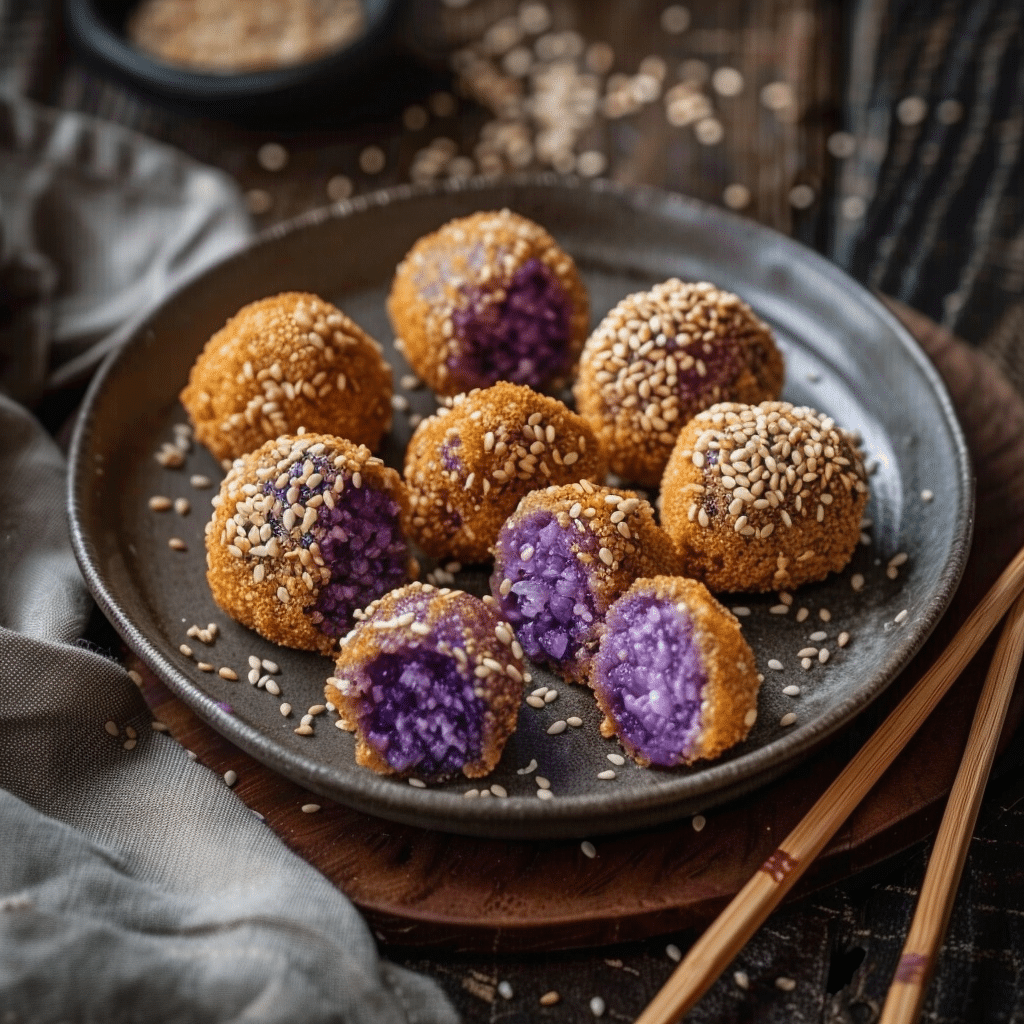
If you have a sweet tooth and love discovering bright bursts of flavor wrapped in chewy, golden goodness, then you are going to fall head over heels for Filipino Ube Buchi: Sweet Fried Treats to Savor Together. These delightful fried dough balls are filled with vibrant ube halaya, delivering a unique violet-hued sweetness that’s both nostalgic and utterly addicting. Whether it’s a casual snack with friends or a special dessert to share, this recipe brings people together around a warm, comforting treat that’s as fun to make as it is to eat.
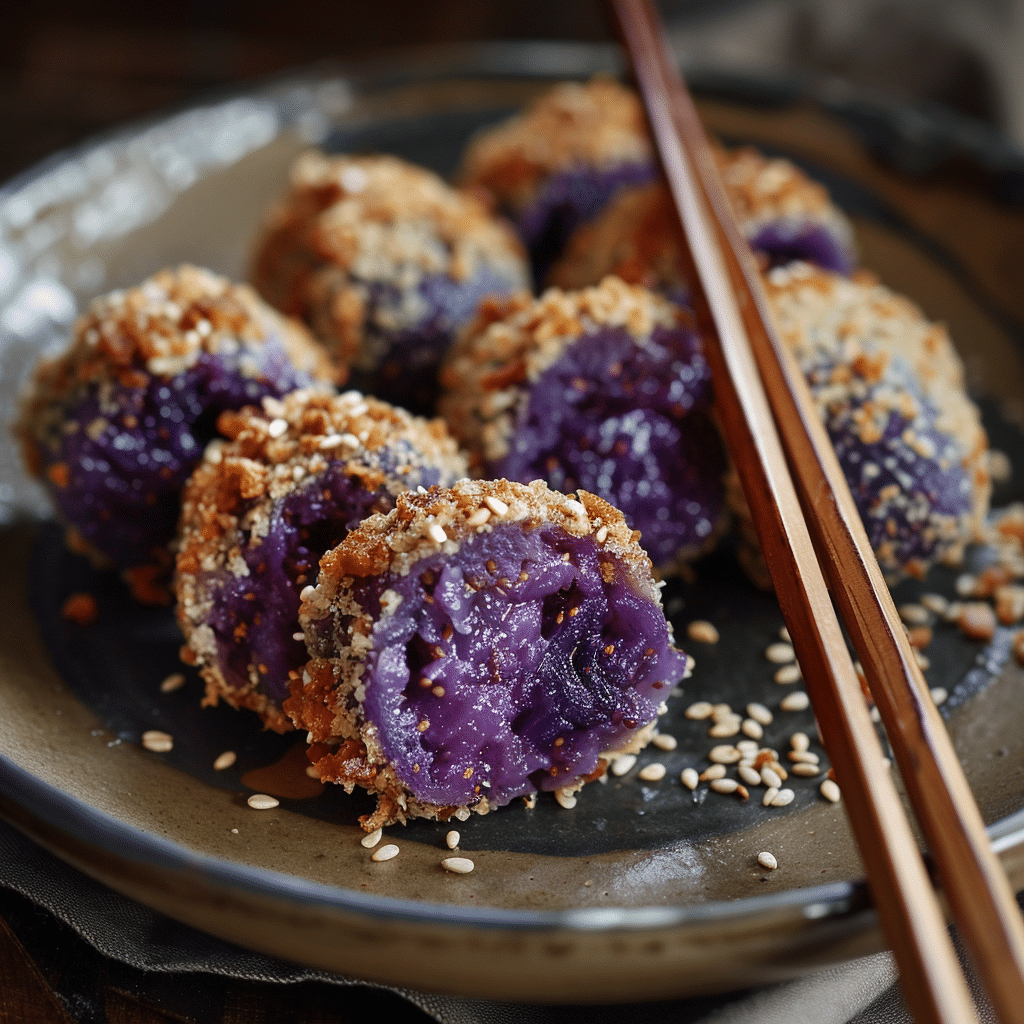
Ingredients You’ll Need
The magic of Filipino Ube Buchi lies in its simple, straightforward ingredients. Each one plays a crucial role—from achieving the chewy texture to the subtle sweetness and the iconic purple color that makes ube so special. Collecting these means you’re just moments away from a kitchen adventure filled with tempting aromas and mouthwatering results.
- 3 cups glutinous rice flour: The key to creating that irresistible chewy and soft texture that is signature to buchi.
- 1 ¼ cups water: Helps bind the dough perfectly for pliability without stickiness.
- 1 cup granulated sugar: Adds just the right amount of sweetness to the dough for balance.
- ¼ teaspoon ube halaya: The sweet, creamy purple yam filling that steals the show inside every bite.
- Sesame seeds: For a crunchy, nutty coating that complements the soft dough beautifully.
- Vegetable oil: For deep frying to golden crisp perfection.
How to Make Filipino Ube Buchi: Sweet Fried Treats to Savor Together
Step 1: Preparing the Sweet Dough Base
Start by heating water and sugar together until the sugar dissolves completely, creating a hot syrup that lends sweetness and moisture to the dough. When pouring this syrup into the glutinous rice flour, mix gently—this ensures your dough stays tender yet cohesive as it rests, setting the stage for a chewy texture you’ll adore.
Step 2: Shaping and Filling the Dough Balls
After the dough has rested and cooled just enough to handle, scoop out small portions and roll each into smooth balls free from cracks. Using your thumb, press a little hollow in each ball to hold the luscious ube halaya filling. This part is where the surprise happens—an oozy, purple treasure inside every bite!
Step 3: Sealing and Coating in Sesame Seeds
Seal the dough gently but firmly around the ube filling so it stays intact during frying. Then, dip each ball into water and immediately roll it in sesame seeds to coat thoroughly. This sesame seed layer not only adds texture but also a subtle toasted aroma that enhances the whole eating experience.
Step 4: Frying to Golden Perfection
Heat your oil to a steady 325°F (160°C) for frying. Carefully add the dough balls in batches to avoid overcrowding, frying them until each one is a beautiful golden brown and perfectly cooked through. Once out of the oil, let them rest on a wire rack to drain any excess oil and cool to a comfortable eating temperature.
How to Serve Filipino Ube Buchi: Sweet Fried Treats to Savor Together
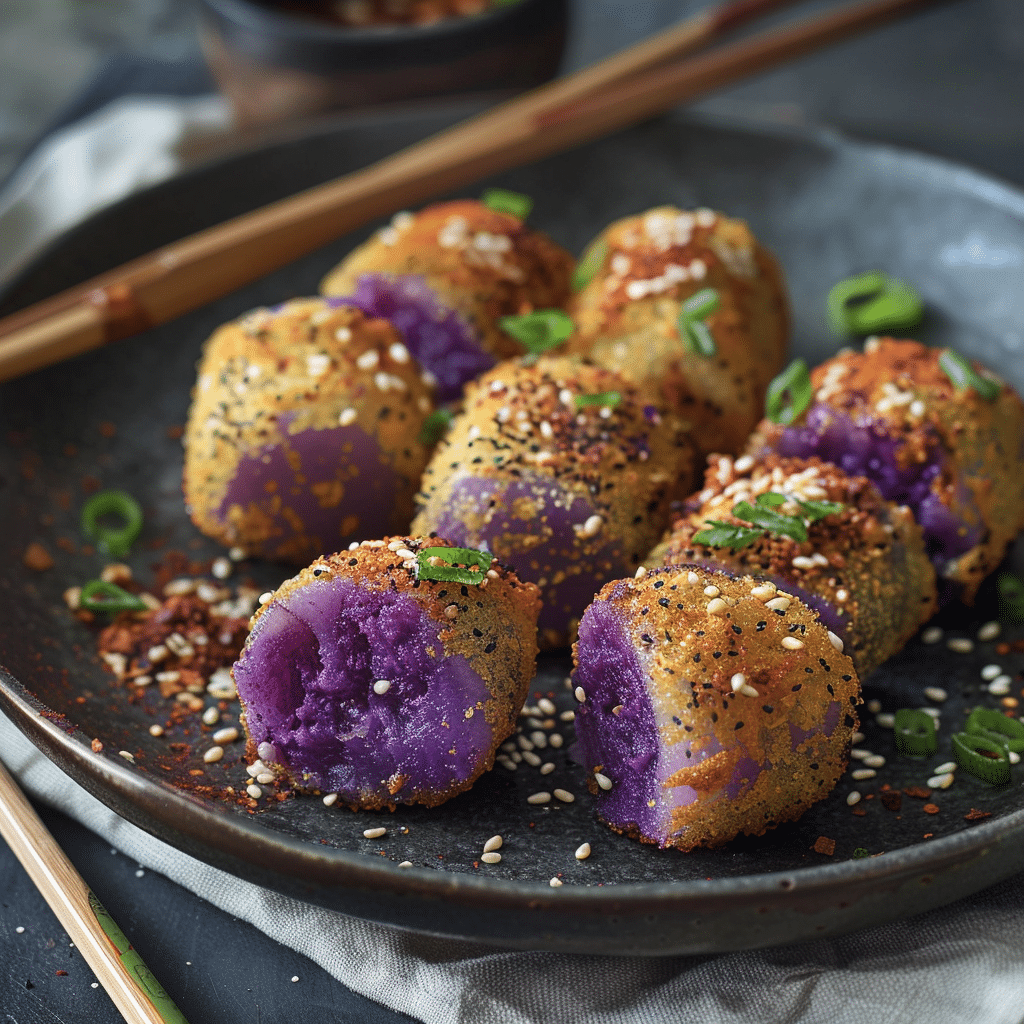
Garnishes
Sprinkle extra toasted sesame seeds or even a light dusting of powdered sugar for a lovely contrast in texture and presentation. For a playful twist, drizzle with a bit of warm condensed milk to amplify the sweet, creamy notes of the ube filling.
Side Dishes
Pair your Filipino Ube Buchi: Sweet Fried Treats to Savor Together with hot tea or a fresh cup of coffee to balance the sweetness and enhance the warm, comforting vibes of this snack. They also make a fantastic companion to fresh fruit slices for those looking to add a fresh bite alongside the fried goodness.
Creative Ways to Present
For a festive touch, serve these treats in a bamboo steamer basket lined with banana leaves to highlight their Filipino roots. Alternatively, stack them elegantly on a colorful plate with small bowls of dipping sauces like coconut jam or chocolate for a playful dip-and-enjoy experience.
Make Ahead and Storage
Storing Leftovers
If you happen to have any leftovers, keep them stored in an airtight container at room temperature for up to one day. This preserves their chewy texture and prevents them from drying out, making it easy to revisit the joy just a few hours later.
Freezing
For longer storage, freeze the uncooked filled dough balls on a tray until firm, then transfer to a sealed bag or container. This way, you can fry fresh batches whenever a craving strikes without compromising taste or texture.
Reheating
Reheat your Filipino Ube Buchi in an oven or air fryer to restore that perfect crispness on the outside while keeping the center soft and flavorful. Avoid microwaving as it may alter the texture and make the dough rubbery.
FAQs
What makes ube halaya so special for this recipe?
Ube halaya is a sweet mashed purple yam that provides the signature color and distinctively creamy, nutty flavor making these buchi uniquely Filipino and irresistibly tasty.
Can I substitute the glutinous rice flour with regular rice flour?
For the authentic chewy texture, glutinous rice flour is essential. Regular rice flour will result in a different, less chewy outcome, so it’s best to stick with the recommended flour.
Is it necessary to fry at 325°F?
Maintaining the oil at 325°F ensures the buchi cook evenly without burning on the outside or remaining raw inside. It’s key to frying the treats to golden perfection.
Can I use other fillings besides ube halaya?
Absolutely! While ube is traditional and iconic, you can experiment with sweetened mung bean paste, red bean, or even chocolate for different flavor profiles.
How long does it take to make Filipino Ube Buchi from start to finish?
Including prep, resting, and frying, expect about 55 minutes from start to finish. It’s a rewarding process that’s well worth the effort.
Final Thoughts
Sharing Filipino Ube Buchi: Sweet Fried Treats to Savor Together is more than just enjoying a dessert; it’s about connecting with a vibrant culinary tradition full of warmth and joy. Once you try making and tasting these chewy, softly sweet, purple-filled gems, they will surely become a beloved staple in your kitchen and heart. So go ahead, dive into this recipe, and create moments of delicious togetherness with every bite!