Espasol Na Bibingka Recipe
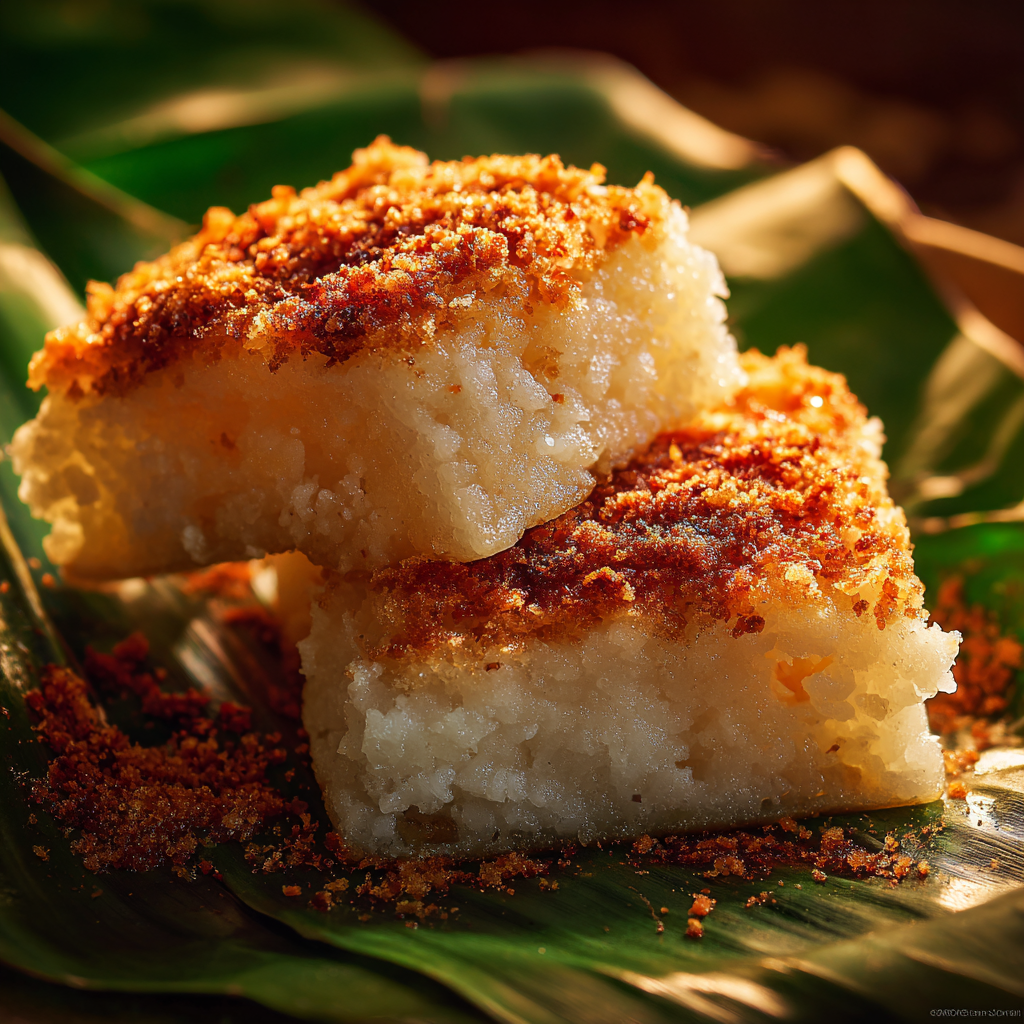
If you’ve ever wished for a dessert that combines the chewy delight of espasol with the comforting, baked goodness of bibingka, then your wish is granted with this delightful Espasol Na Bibingka. This soft and chewy creation cleverly skips the endless stirring that traditional espasol demands by baking the batter like bibingka, then lovingly rolling each piece in a fragrant toasted rice flour coating. The result is a unique Filipino treat that feels both familiar and exciting, perfect for sharing with loved ones or savoring as a special snack any time of day.
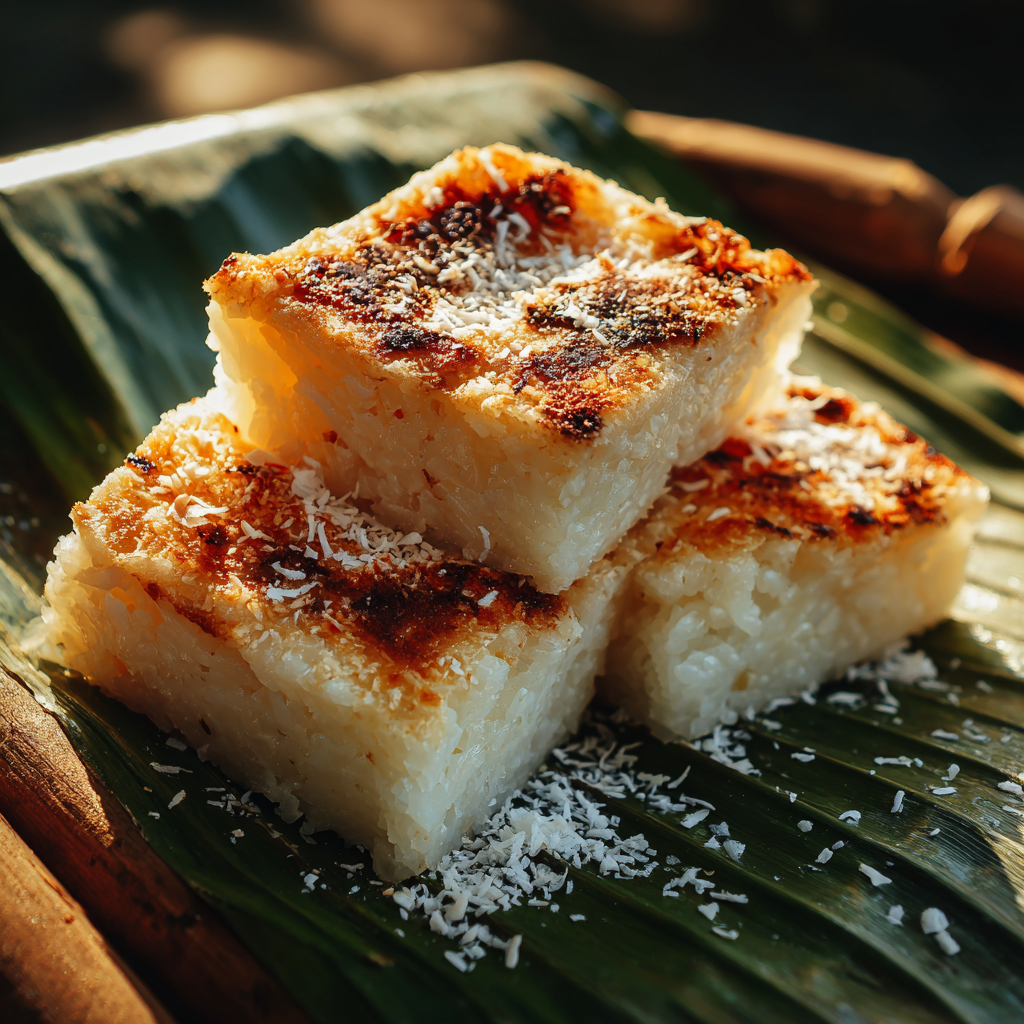
Ingredients You’ll Need
Simple ingredients can create the most memorable flavors, and this recipe is a perfect example. Each ingredient plays a vital role in bringing together the soft texture, sweetness, and that signature toasted aroma that makes Espasol Na Bibingka so irresistible.
- 2 Cups Sweet Glutinous Rice Flour: Provides the chewy base that’s characteristic of both espasol and bibingka textures.
- 1 Cup Sugar (regular, coconut or muscovado): Adds the perfect balance of sweetness; muscovado sugar adds a rich, molasses flavor.
- 2 Large Eggs at room temperature: Helps bind the batter and adds richness to the final cake.
- ½ Cup Melted Butter at room temperature: Gives moisture and buttery flavor that makes the bibingka comforting and soft.
- ¼ Cup Toasted Rice Flour: Used in the coating, it contributes a nutty aroma and texture once toasted just right.
- 1 Tablespoon Milk Powder: Enhances creaminess in the coating, lending a subtle richness.
- 1 Tablespoon Powdered Sugar: Lightens the coating with a touch of sweetness and delicate texture.
How to Make Espasol Na Bibingka
Step 1: Toast the Rice Flour
Start by toasting the sweet glutinous rice flour in a pan over medium-high heat for about 10 to 15 minutes. This step is crucial because it develops the signature toasty aroma and slightly tan color that’s essential to Espasol Na Bibingka’s charm. Remember to stir occasionally to ensure the flour browns evenly without burning. After toasting, remove from heat and let it cool fully, reserving a quarter cup for the later coating.
Step 2: Blend the Batter
Next, combine the sugar, eggs, melted butter, and your choice of coconut milk in a blender until wonderfully smooth. Carefully fold in the cooled toasted rice flour with a spatula to avoid creating a flour cloud, then blend again until the batter is silky and uniform. This mixture is what gives the nicely baked bibingka its chewy yet tender texture, making Espasol Na Bibingka our star dessert.
Step 3: Bake the Batter
Pour the batter into a prepared 8×8 square pan greased with coconut oil to keep the cake moist and infused with a subtle nutty aroma. Bake in a preheated oven at 350°F for 30 minutes. Once done, allow the cake to rest for 5 minutes in the pan before transferring to a wire rack to cool completely. This step ensures your Espasol Na Bibingka sets firmly but maintains its moist chewiness.
Step 4: Cut and Coat the Espasol Na Bibingka
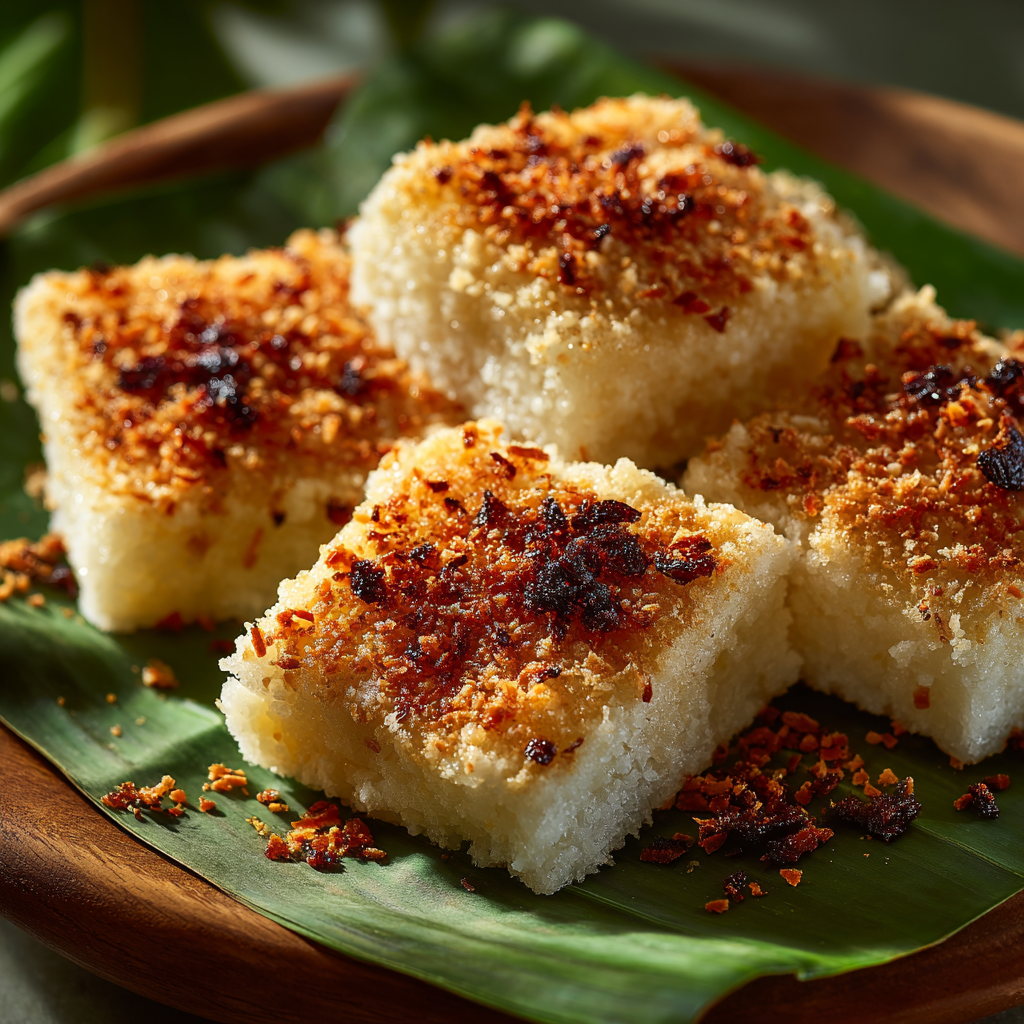
Trim the edges of the cooled cake and cut into 18 small rectangles, perfect for snacking. Prepare the coating by mixing the reserved toasted rice flour, powdered sugar, and milk powder. Roll each bibingka piece generously in this mixture to coat every inch with the signature layer that adds both flavor and texture. The coating completes the transformation into a perfect fusion of espasol and bibingka delights.
How to Serve Espasol Na Bibingka
Garnishes
While Espasol Na Bibingka shines on its own, a light dusting of additional toasted rice flour or a sprinkle of freshly toasted coconut flakes can enhance both appearance and flavor. For a modern twist, a drizzle of sweetened condensed milk over the top can add a glossy, luscious finish.
Side Dishes
This dessert pairs beautifully with warm beverages like Filipino coffee or hot chocolate. For a more traditional twist, brewed salabat (ginger tea) offers a soothing contrast to the sweet, chewy cake, balancing flavors perfectly and refreshing the palate between bites.
Creative Ways to Present
Try stacking the cut pieces in a bamboo basket lined with banana leaves for a rustic, authentic feel perfect for fiestas or family gatherings. Alternatively, arrange them on a decorated platter with edible flowers or serve with tropical fruits like mango and pineapple to highlight the Filipino heritage and add a burst of freshness.
Make Ahead and Storage
Storing Leftovers
Espasol Na Bibingka keeps beautifully for a couple of days when stored in an airtight container at room temperature. The coating helps maintain the moist texture inside while keeping the pieces from drying out. Just be sure to keep it away from direct sunlight or heat sources.
Freezing
If you want to enjoy Espasol Na Bibingka later, freeze the uncoated or coated pieces individually wrapped in plastic wrap and then placed in a freezer-safe container or bag. This will preserve their chewy texture and flavor for up to a month with minimal changes.
Reheating
To enjoy warm Espasol Na Bibingka, gently thaw refrigerated or frozen pieces at room temperature and reheat briefly in a microwave for 10 to 15 seconds or steam lightly for a minute. Avoid overheating to keep their soft, chewy texture intact and the flavors vibrant.
FAQs
Can I use regular rice flour instead of sweet glutinous rice flour?
Regular rice flour lacks the sticky, chewy quality that sweet glutinous rice flour provides, so the texture of Espasol Na Bibingka will be quite different—denser and less chewy. For the authentic experience, sweet glutinous rice flour is highly recommended.
Is it necessary to use coconut oil in the pan?
Using coconut oil helps impart a subtle, nutty flavor and prevents sticking, but any neutral oil or butter can work in a pinch. Coconut oil is closer to traditional Filipino baking methods and complements the flavors beautifully.
Can I substitute milk powder in the coating?
Milk powder adds creaminess and richness to the coating, but if you don’t have it, you can omit it or experiment with finely grated white chocolate or powdered coconut flakes as an alternative, which will create different yet tasty profiles.
Why does the recipe call for blending the batter?
Blending ensures a smooth, uniform mixture that results in a tender bibingka texture without lumps. It also helps incorporate air, contributing to the lightness of the cake, which is essential for Espasol Na Bibingka’s signature chewiness.
Can I make Espasol Na Bibingka vegan?
Yes, by substituting eggs with flax or chia egg replacers and using plant-based butter or coconut oil, you can make a vegan version. Keep in mind that texture and flavor may slightly differ, but it will still be deliciously close to the original.
Final Thoughts
Espasol Na Bibingka is a perfect example of Filipino culinary creativity that transforms classic desserts into a new, crave-worthy experience. This recipe’s easy approach and spectacular result make it a must-try for anyone looking to explore traditional flavors with a twist. I promise once you bake and taste this soft, chewy delight coated with fragrant toasted rice flour, it will become a cherished favorite in your recipe collection.