Lemon Elderflower Spring Cake Recipe
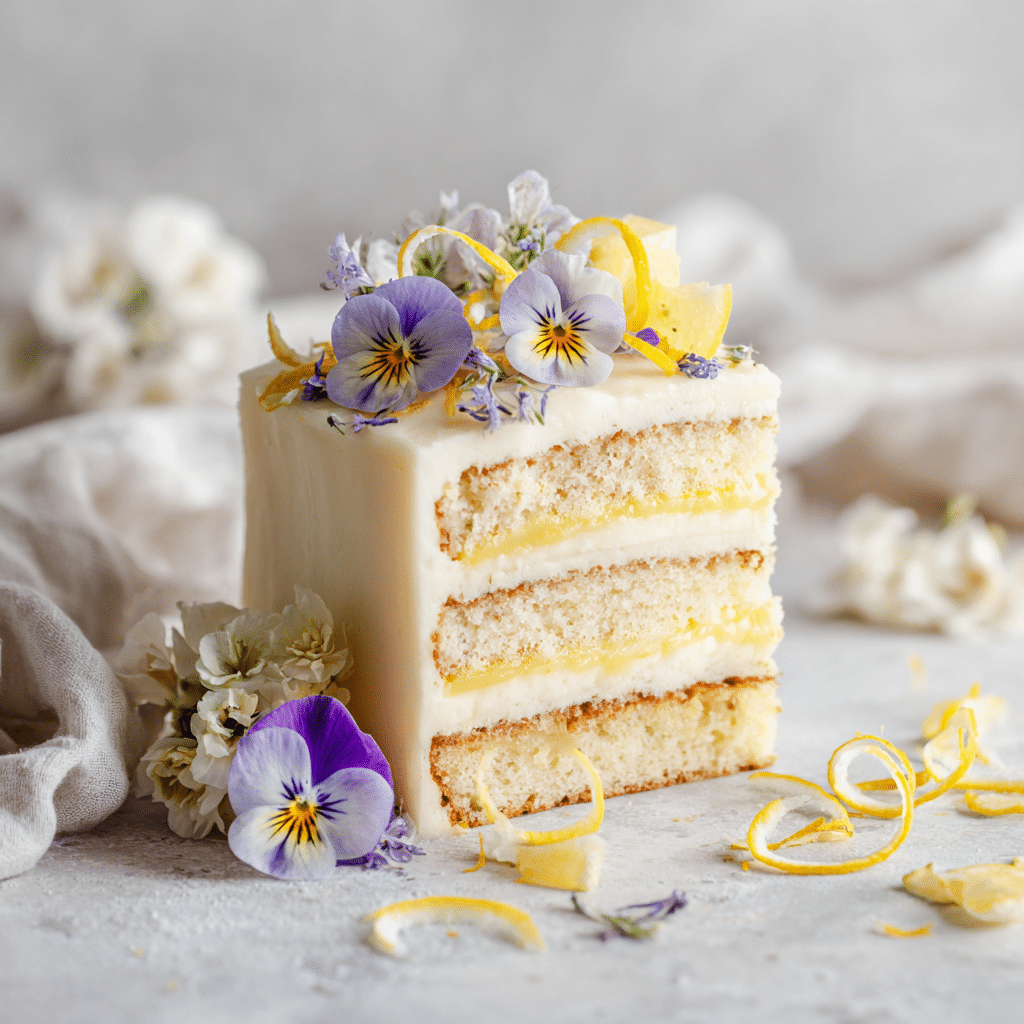
If you’re looking for a dessert that perfectly captures the essence of fresh springtime flavors, the Lemon Elderflower Spring Cake is exactly what you need. This delicate cake brings together the light zestiness of lemon sponge infused with the enchanting floral notes of elderflower syrup, all wrapped in a luscious mascarpone cream frosting. Topped with bright, fresh berries and beautiful edible flowers, this cake isn’t just a treat for your taste buds but also a visual delight. Whether it’s a special celebration or simply a way to welcome the season, the Lemon Elderflower Spring Cake is destined to become a favorite in your baking repertoire.
Ingredients You’ll Need
The magic of the Lemon Elderflower Spring Cake lies in its simplicity and the thoughtful combination of ingredients. Each component plays a vital role in creating the perfect balance of flavor, moisture, and texture that this cake is known for.
- Lemon zest and juice: Brings fresh citrus brightness that awakens the palate and lifts the sponge.
- Flour: The foundation of the cake, providing structure and tenderness.
- Sugar: Sweetens without overpowering and helps with the cake’s golden crumb.
- Eggs: Add richness and help create a light, airy sponge.
- Elderflower syrup: Adds that signature floral note and subtle sweetness to infuse the layers.
- Butter or oil: Keeps the crumb moist and tender for every bite.
- Mascarpone cheese: Creates a creamy, dreamy frosting that enhances the floral flavors beautifully.
- Fresh berries: Offer bursts of vibrant color and juicy tartness that complement the cake.
- Edible flowers: Make a stunning, seasonal decoration that elevates the cake’s presentation.
- Water and sugar (for elderflower syrup): Essential to create the syrup that infuses the sponge with elderflower aroma and moisture.
How to Make Lemon Elderflower Spring Cake
Step 1: Preparing the Elderflower Syrup
Start by combining water and sugar in a small saucepan and heating until the sugar completely dissolves. Let the mixture cool slightly, then stir in the elderflower syrup. This simple syrup will be brushed over the baked sponge layers to keep them moist and infuse them with delicate elderflower flavor.
Step 2: Baking the Lemon Sponge
Whisk together your dry ingredients, then beat the eggs and sugar until fluffy and pale. Gently fold in the lemon zest and juice to brighten the batter. Add the butter and flour carefully, preserving the airy texture. Pour the batter into prepared cake pans and bake until a toothpick inserted in the center comes out clean, ensuring a tender crumb that’s perfect for soaking up syrup.
Step 3: Soaking the Cake Layers
Once the sponge layers have cooled, brush them generously with the elderflower syrup mixture. This step is key: it not only keeps the cake moist but also layers in the signature elderflower aroma that makes this cake unforgettable.
Step 4: Making the Mascarpone Frosting
Beat mascarpone cheese with a touch of powdered sugar until smooth and creamy. This frosting will provide a luxurious contrast to the light sponge and add a touch of richness to the overall flavor profile.
Step 5: Assembling the Cake
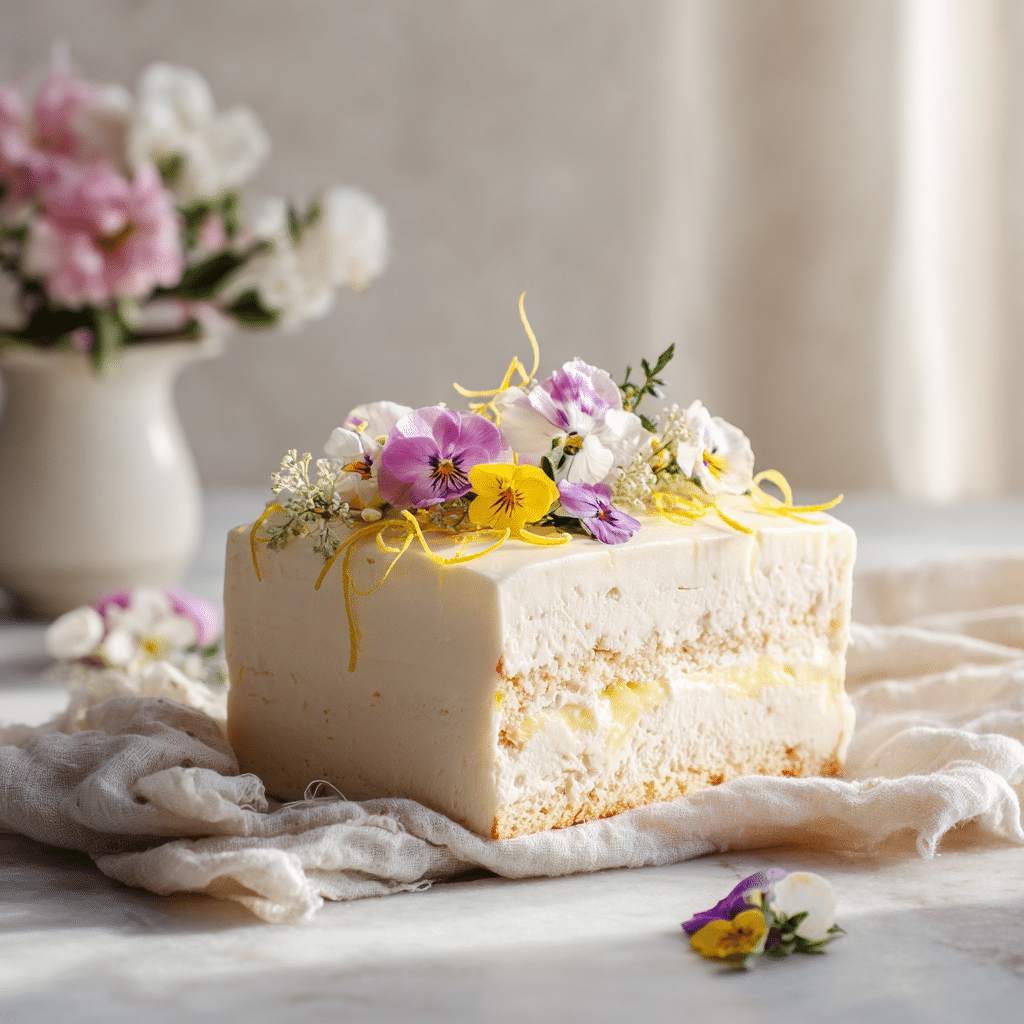
Spread a generous layer of the mascarpone frosting between the soaked sponge layers. Once stacked, cover the entire cake with a thin layer of frosting for a smooth base, then add a final thicker coat on top. This layering gets every forkful perfectly balanced between sweet, tart, creamy, and floral.
Step 6: Decorating
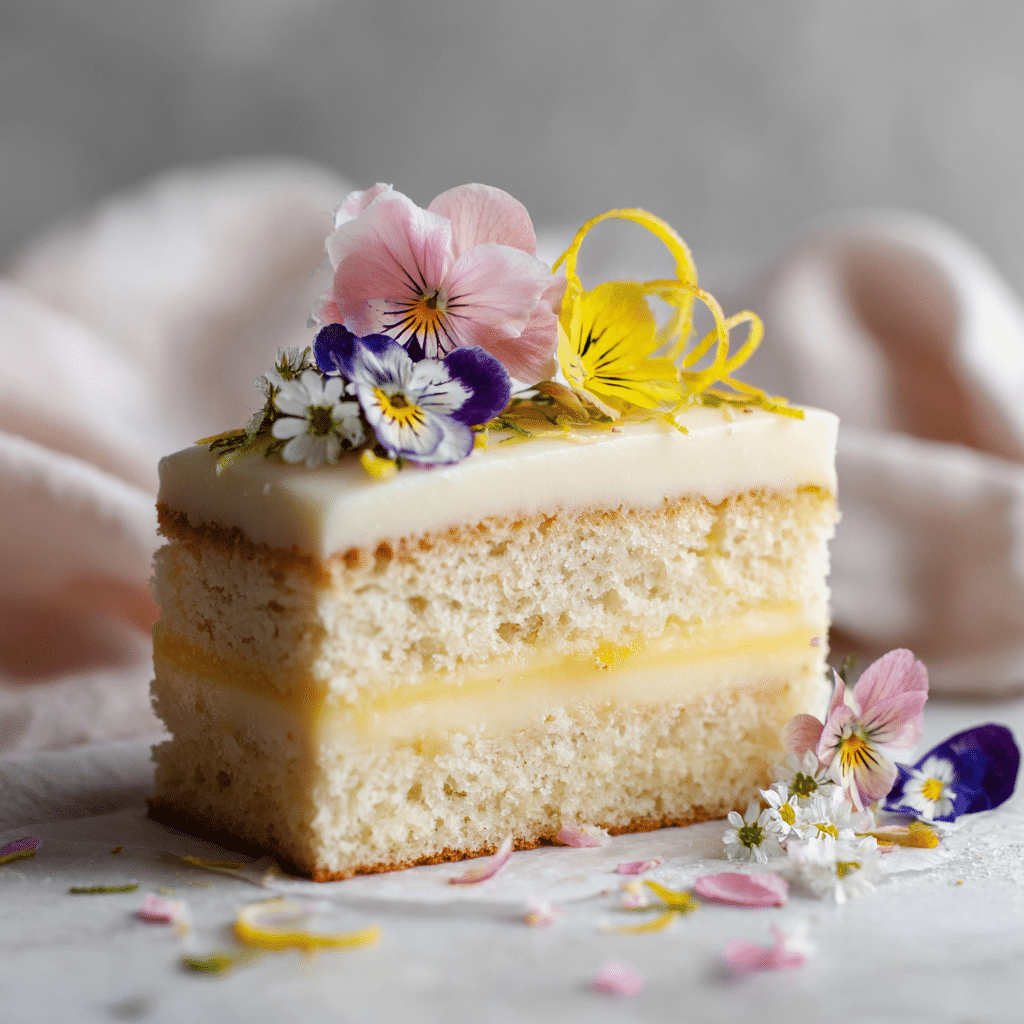
Top your Lemon Elderflower Spring Cake with fresh berries and edible flowers for a celebration-ready look. These colorful garnishes bring freshness and a pop of seasonal beauty that’s as inviting as the cake itself.
How to Serve Lemon Elderflower Spring Cake
Garnishes
Pile on fresh raspberries, blueberries, and strawberries alongside violets or pansies to complement the lemon and elderflower flavors. Garnishes add not just color and texture but also fresh bursts of fruitiness that balance the creamy frosting.
Side Dishes
This cake pairs beautifully with a lightly brewed green tea or a delicate white wine like a Riesling. Simple sides such as a bowl of mixed fresh berries or a spoonful of whipped cream can also enhance the overall experience without stealing the spotlight.
Creative Ways to Present
Serve this cake on a rustic wooden board adorned with scattered petals and berries for a charming, springtime vibe. Alternatively, place individual slices on pretty plates topped with a sprig of mint or a drizzle of elderflower syrup to elevate the presentation.
Make Ahead and Storage
Storing Leftovers
The Lemon Elderflower Spring Cake keeps well when covered tightly in the refrigerator for up to three days. Store it in an airtight container to preserve freshness and prevent the delicate frosting from drying out.
Freezing
You can freeze the cake un-frosted or fully assembled, though it’s best to wrap it well in plastic wrap and foil to avoid freezer burn. When ready to enjoy, thaw overnight in the refrigerator for perfect texture and flavor retention.
Reheating
This cake is best enjoyed chilled or at room temperature to appreciate its creamy frosting and delicate crumb. If needed, let slices sit out for about 30 minutes before serving rather than reheating, which can affect texture.
FAQs
Can I make the elderflower syrup from scratch?
Absolutely! While you can buy elderflower syrup ready-made, making your own is simple and allows you to adjust sweetness and intensity. Use dried or fresh elderflowers if available and simmer with sugar and water to extract that lovely floral essence.
Is mascarpone frosting very sweet?
Mascarpone-based frosting is typically less sweet than buttercream or cream cheese frostings. It has a rich, creamy texture with a subtle tang that complements the bright lemon and floral notes without overwhelming them.
Can I substitute other fruits for the fresh berries?
Yes! Seasonal fruits like sliced kiwi, peaches, or even edible flowers like pansies can work beautifully. The key is to choose fruits that don’t overpower the delicate elderflower flavor but add fresh brightness.
What’s the best way to slice this delicate cake?
Use a sharp serrated knife and wipe it clean between each slice to maintain neat edges. Chilling the cake for 15-20 minutes beforehand can also help the frosting firm up, making slicing easier.
Can this cake be made gluten-free?
Yes, you can substitute the all-purpose flour with a gluten-free flour blend, but keep in mind that texture might vary slightly. Adding a little xanthan gum might help maintain structure for the lemon sponge.
Final Thoughts
There’s something truly special about sharing a slice of Lemon Elderflower Spring Cake with friends and family—its light, floral, and citrus flavors make it a beautiful celebration of the season in every bite. I hope you give this recipe a try and enjoy the happy moments it brings to your table as much as I do.