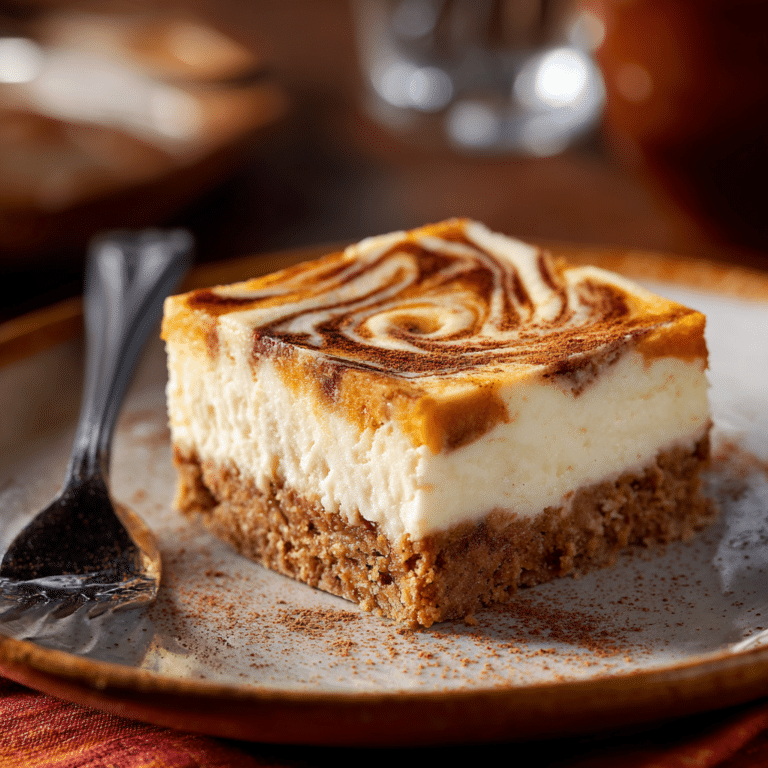
Cheesecake Recipe
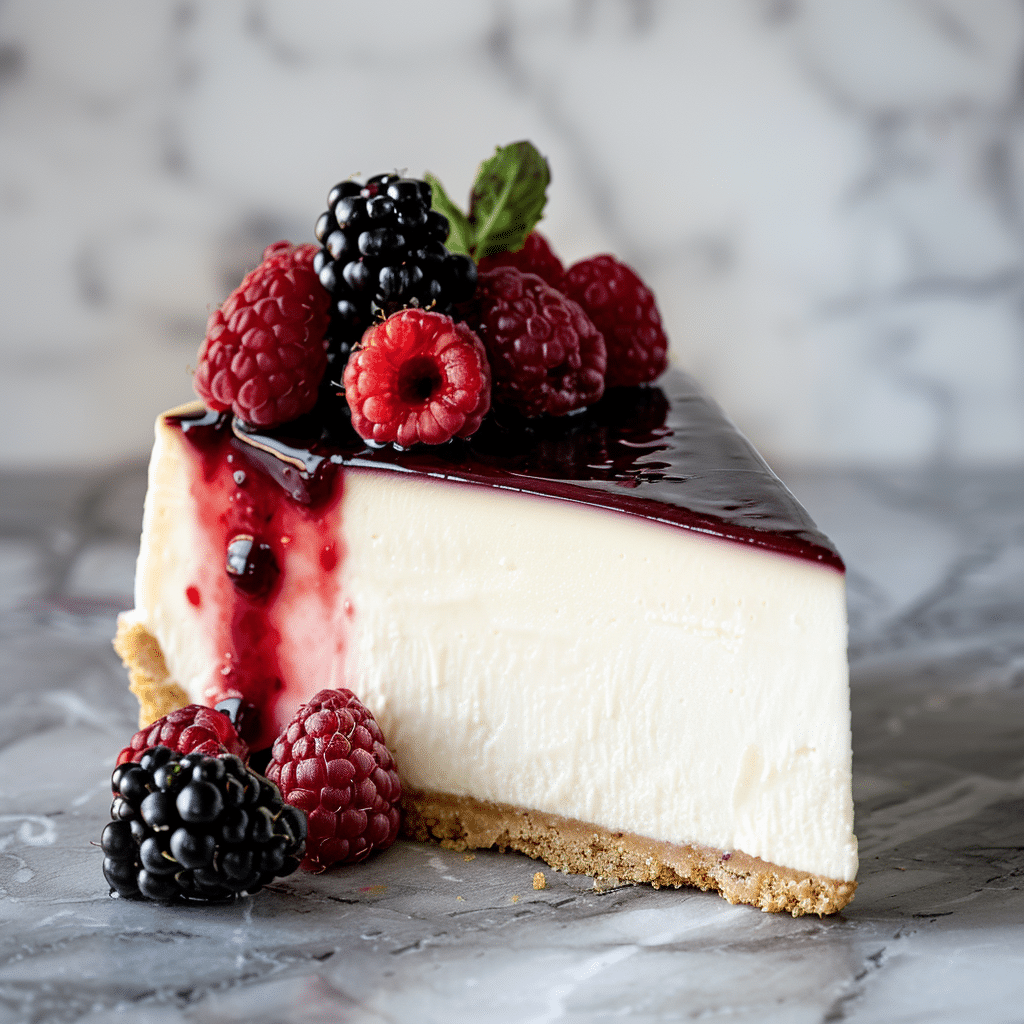
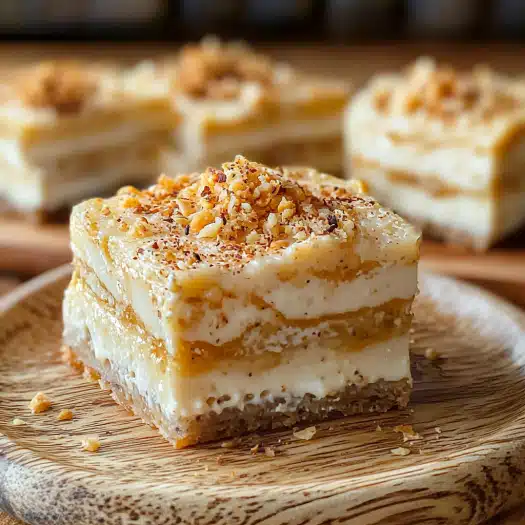
Cheesecake is that irresistible dessert that feels like a warm hug after a long day, boasting a creamy and smooth texture with a rich filling atop a buttery, crumbly base. This classic treat combines simple ingredients to create a luxurious experience that melts in your mouth and delights every sense. Whether you’re a seasoned baker or trying it out for the first time, this Cheesecake recipe offers a perfect balance of sweetness and tang, making it an unforgettable finale to any meal.
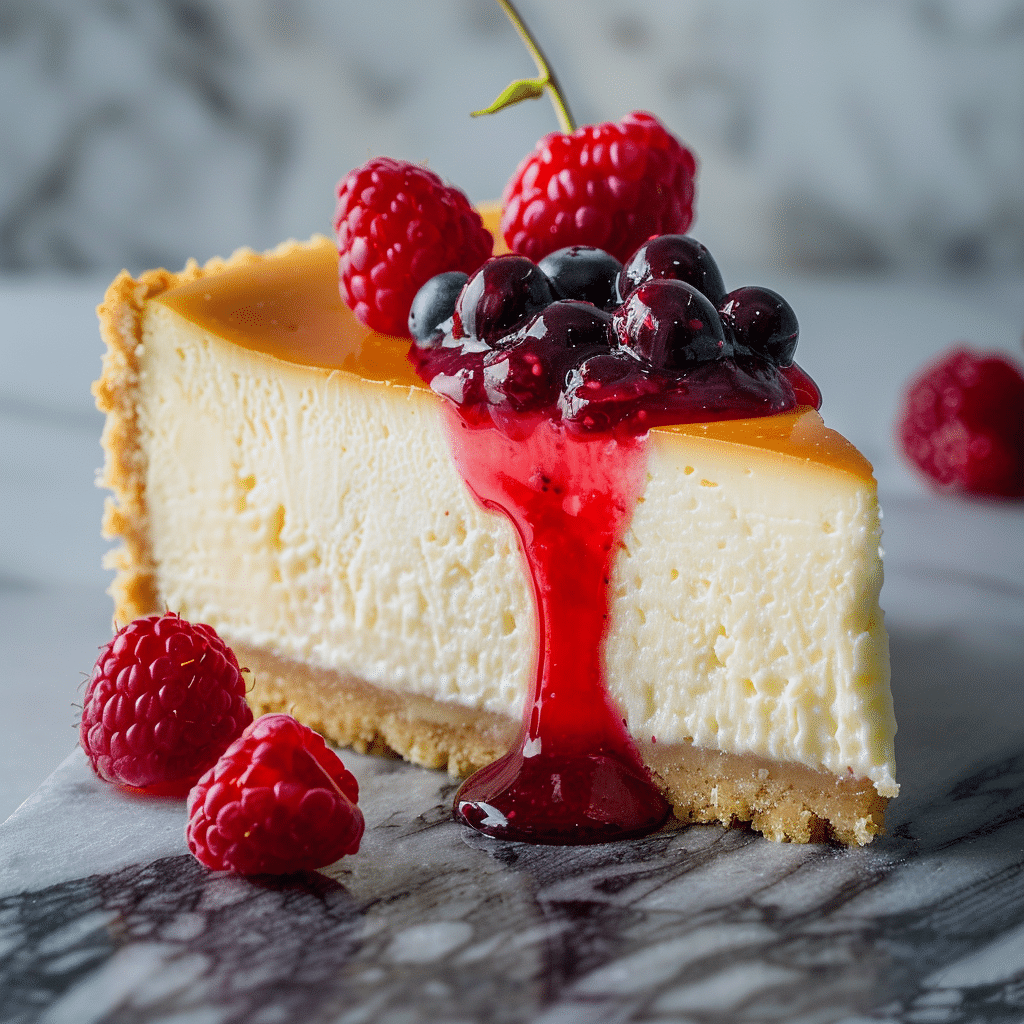
Ingredients You’ll Need
The foundation of any great Cheesecake lies in its ingredients – each one simple but essential to achieving the perfect taste and texture. From the creamy tang of cream cheese to the golden, crunchy biscuit crust, every component plays a vital role in making this dessert spectacular.
- Cream cheese: The star ingredient providing the rich and creamy body of the Cheesecake.
- Sugar: Sweetens the filling just enough to balance the tanginess of the cream cheese.
- Eggs: Give structure and help the filling set into that smooth texture.
- Biscuits: Crushed to form a buttery, crunchy base that holds everything together.
- Butter: Melts into the crushed biscuits to bind the crust and add a rich flavor.
How to Make Cheesecake
Step 1: Prepare the Crust
Start by crushing your biscuits into fine crumbs. Mixing them with melted butter turns these crumbs into a holdable dough that forms your crust. Press the mixture firmly into the base of your springform pan to create an even, sturdy layer. This step is crucial because a well-packed crust supports the luscious filling and provides that buttery crunch with every bite.
Step 2: Make the Filling
Beat the cream cheese until smooth and creamy, then gradually add sugar to keep the texture velvety. Incorporate eggs one at a time, mixing gently to ensure everything blends perfectly without introducing too much air. This gentle mixing will give your Cheesecake that dense yet silky consistency we all love.
Step 3: Bake or Chill
You have options here: bake your Cheesecake in a preheated oven at a moderate temperature until the edges are set and the center slightly jiggles—this yields a classic dense texture. Alternatively, chilling the filling over the biscuit base produces a no-bake Cheesecake that’s refreshingly cool and solidly smooth. Either way, patience pays off, so allow the Cheesecake to fully set before serving.
How to Serve Cheesecake
Garnishes
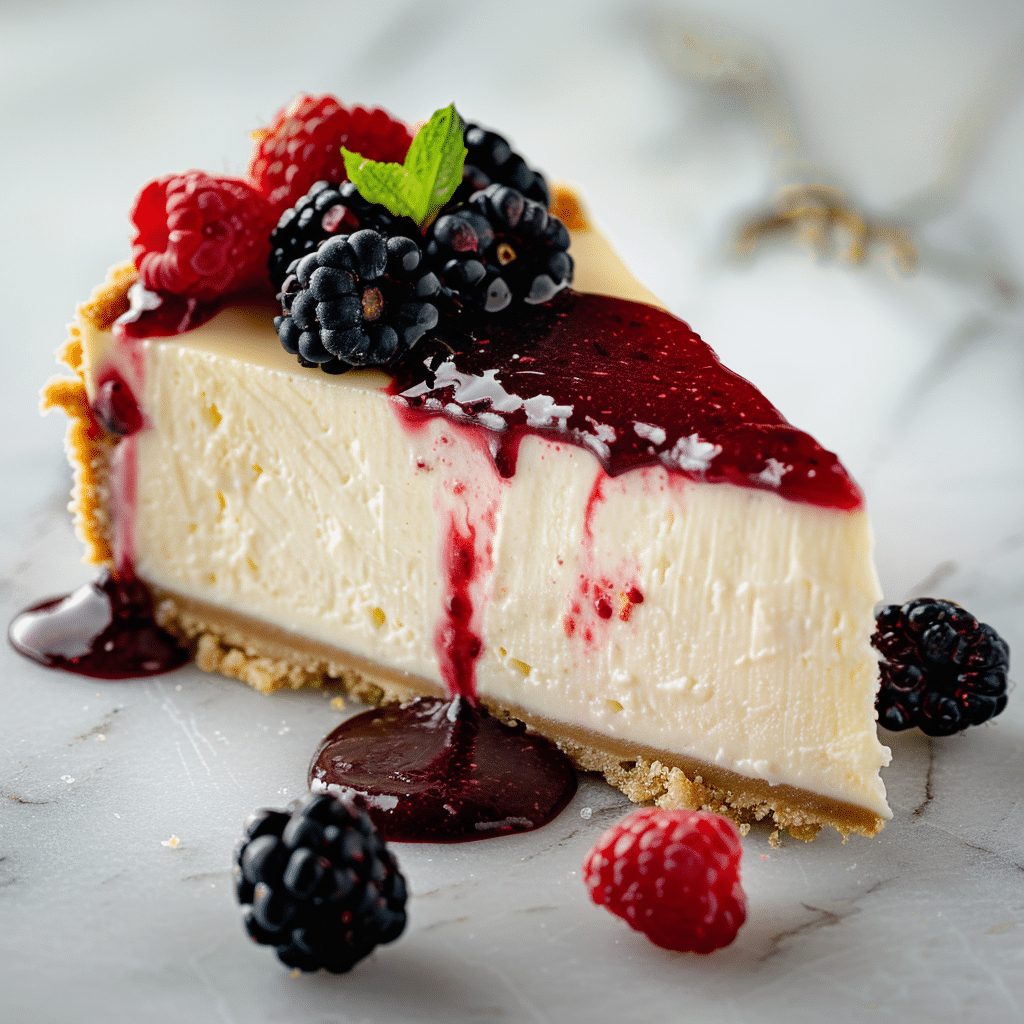
Simple garnishes can elevate your Cheesecake from delightful to divine. Fresh berries add a pop of color and a hint of tartness, while a drizzle of caramel or chocolate sauce adds extra depth. A sprinkle of crushed nuts or a few mint leaves can also add texture and freshness to complement the creamy filling.
Side Dishes
Cheesecake is plenty rich on its own, but pairing it with light, refreshing sides like a crisp fruit salad or a dollop of whipped cream balances the richness perfectly. A cup of coffee or a glass of dessert wine can also turn the whole experience into a decadent treat.
Creative Ways to Present
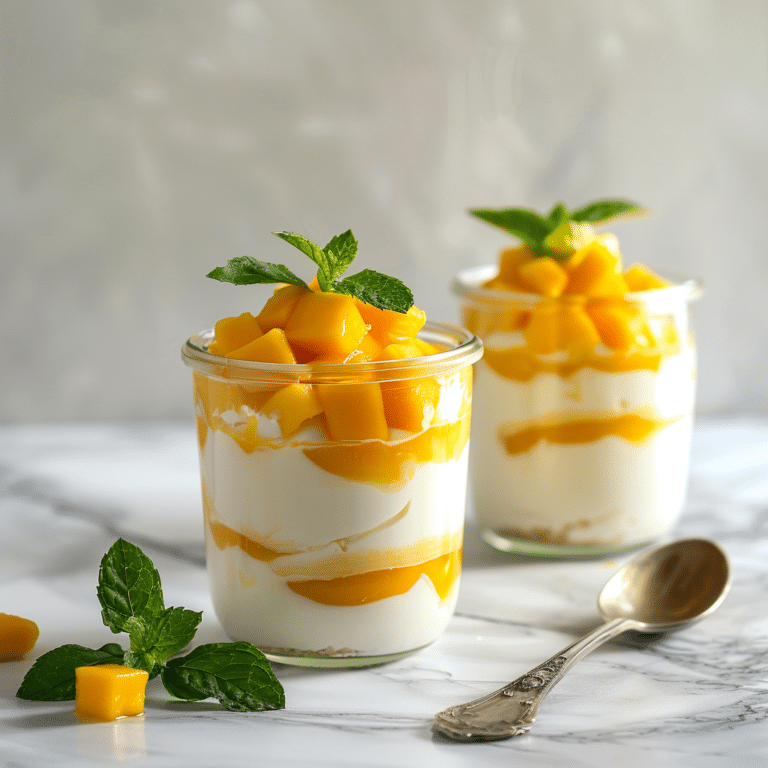
Slice your Cheesecake into neat wedges for a classic look, or get creative by serving mini Cheesecakes in jars or ramekins for a charming individual dessert. Another fun idea is layering the crust, filling, and fresh fruit in clear glasses to showcase every beautiful element of the dessert.
Make Ahead and Storage
Storing Leftovers
Once your Cheesecake is made, storing leftovers in the refrigerator ensures it stays fresh and creamy. Make sure to cover it tightly with plastic wrap or keep it in an airtight container to prevent it from drying out or absorbing other fridge odors.
Freezing
Cheesecake freezes beautifully, making it an ideal make-ahead dessert. Wrap individual slices or the whole cake tightly in plastic wrap and foil before placing it in the freezer. When properly stored, it can last for up to two months without losing its rich flavor and texture.
Reheating
For best results, thaw frozen Cheesecake overnight in the refrigerator. Since this dessert is typically served chilled, reheating is not necessary. However, letting it sit at room temperature for 15-20 minutes before serving will enhance its creamy texture and flavor.
FAQs
Can I use low-fat cream cheese for Cheesecake?
While low-fat cream cheese can be used, the texture and richness might be slightly compromised since full-fat cream cheese provides the creamy indulgence that makes Cheesecake so special.
Do I have to bake the Cheesecake?
No, you don’t have to bake it. There are no-bake variations where the filling is chilled until set, which is perfect for warmer days or when you want a quicker dessert without the oven.
How do I prevent cracks on the Cheesecake surface?
Cracks often form from overbaking or rapid cooling. Bake the Cheesecake gently and let it cool slowly in the oven with the door slightly open before refrigerating to avoid sudden temperature changes.
Can I use other biscuits for the crust?
Absolutely! Digestive biscuits are classic, but graham crackers, shortbread, or even vanilla wafers work wonderfully and lend different flavor nuances to the crust.
How long does Cheesecake stay fresh?
Refrigerated Cheesecake stays fresh for about 5 days. Always ensure it is well-covered to maintain moisture and avoid picking up other refrigerator smells.
Final Thoughts
Making your own Cheesecake is like crafting a little piece of heaven that’s worthy of celebration. With the simple ingredients and steps, you can create a dessert that feels indulgent yet accessible, perfect for sharing with family and friends. Trust me, once you experience that first creamy, buttery bite, Cheesecake will have a permanent place in your heart. So go ahead and treat yourself to this timeless delight—you deserve it!